 Zhcloudlink
Home / Solutions / No Camera Replacement, No Cabling: One Software Suite Makes Dormitory Curfew Management Visible and Accurate
Solutions
No Camera Replacement, No Cabling: One Software Suite Makes Dormitory Curfew Management Visible and Accurate
At eleven o'clock at night, the dormitory doors are long closed, yet the duty teacher still holds a list of "expected but not returned" students that can only be confirmed by checking floor by floor and room by room. Checking one building takes at least half an hour; and when students return late, switch rooms, or leave temporarily, records are easily missed. Dormitory curfew management has long been a tough problem for student affairs and dormitory management departments—high input, slow result
Core Idea: Upgrade Existing Cameras Instead of Replacing Them
The biggest feature of this system is making full use of existing equipment. Ordinary network cameras already installed in dormitory corridors and entrances can be connected directly as long as they output RTSP video streams. The system installs software and algorithms on an ordinary computer within the campus intranet. It acquires RTSP streams from the cameras, performs decoding and frame sampling, loads a face recognition model, detects faces in the frames, and matches them against the student face database—identifying the name, class, and dormitory number of students entering and leaving the dormitory, and automatically generating dormitory access records.
In other words, the cameras stay the same, the wiring stays the same—only the "back end" changes. One intranet computer and one software suite give ordinary surveillance cameras face recognition and access management capabilities.
Curfew Management: From Manual Room Checks to Automatic Statistics
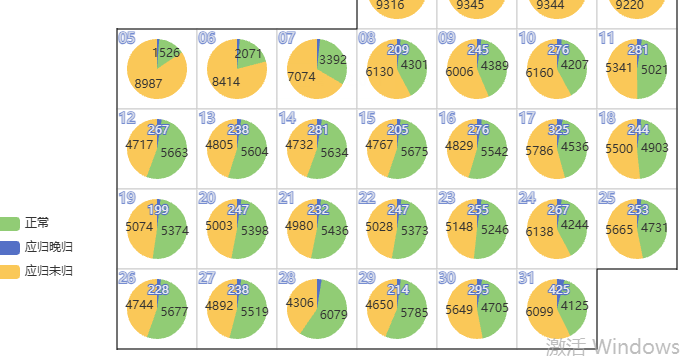
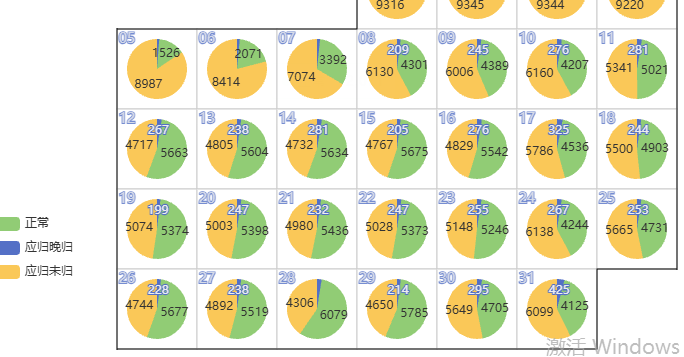
Every night at curfew time, the system automatically performs return-to-dormitory statistics based on the day's access records, generating lists of students who are "expected but not returned" and those "expected to leave but not left." "Expected but not returned" refers to students who, according to regulations, should be in the dormitory at curfew time but for whom no return record has been detected. "Expected to leave but not left" refers to students who should have left the dormitory area (for example, for classes or approved leave) but are still detected in the dormitory area. The lists can be pushed in real time to duty teachers, counselors, and dormitory staff, turning room checks from "walking every floor" into "reading the list and verifying point by point"—reducing duty pressure and making management responsibilities clearer.
Sleep Management: From "Can We Check Everyone?" to "Can We Manage Everyone?"
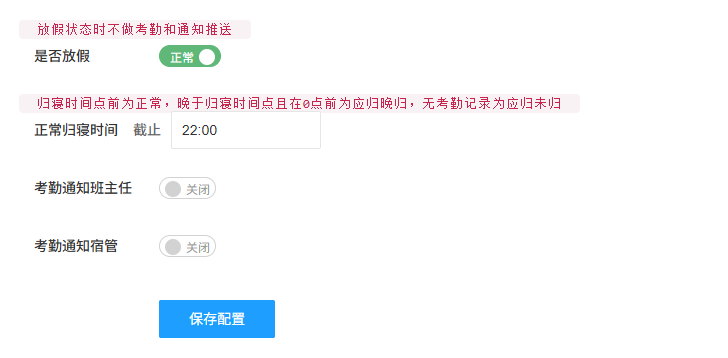
Beyond curfew statistics, the system also supports sleep management: combined with access records and time rules, it helps determine whether students go to bed on time, whether there is frequent late-night entry and exit, or whether a student has been away for an extended period—providing a data basis for dormitory safety management and daily student behavior management. All recognition and statistics are completed within the campus intranet; video streams and face data never leave the campus, balancing management efficiency with data security.
Why This Solution Is Fast to Deploy and Affordable
Traditional AI dormitory management solutions often mean replacing cameras with dedicated AI models, rewiring, and construction—long cycles and high costs, which is not friendly to schools with limited budgets. The advantage of this system lies precisely in: reusing existing cameras with no need for dedicated AI cameras; installing software and algorithms on an ordinary computer within the campus intranet; low cost and fast deployment; no cabling and no construction. For schools that already have basic surveillance coverage, this is effectively a "zero-renovation" intelligent upgrade.
Dormitory management is not about how many devices you install—it is about making management truly reach each student. When ordinary cameras can automatically recognize students entering and leaving the dormitory, and when curfew lists are generated automatically at curfew time, duty teachers can spend their time on the students who truly need attention. That is what intelligent campus dormitory management should look like.
Questions
Does this system require replacing cameras with dedicated AI cameras?
No. The biggest advantage of the system is reusing existing cameras. Any ordinary network camera on campus that outputs an RTSP stream can be connected directly—no dedicated AI cameras, no cabling, and no construction. You only need to install the software and algorithms on an ordinary computer within the campus intranet.
How does the system recognize students from video?
The system acquires RTSP streams from the cameras, performs decoding and frame sampling, loads a face recognition model, detects faces in the frames, and matches them against the student face database. This identifies the name, class, and dormitory number of students entering and leaving, and automatically generates dormitory access records.
What do "expected but not returned" and "expected to leave but not left" mean?
"Expected but not returned" refers to students who should be in the dormitory at curfew time but for whom the system has detected no return record. "Expected to leave but not left" refers to students who should have left the dormitory area (for example, for classes or approved leave) but are still detected in the dormitory area. The system automatically generates both lists at curfew time each night for duty teachers to verify.
Is face and video data secure? Will it be sent outside the campus?
No. The software and algorithms are deployed on an ordinary computer within the campus intranet. Stream acquisition, decoding and frame sampling, face recognition, and statistics all take place inside the campus intranet—data never leaves the campus, balancing management efficiency with data security.
How long does deployment take? Is it expensive?
Since there is no camera replacement, no cabling, and no construction—only software and algorithm deployment on an intranet computer—deployment is fast and cost is low. It is especially suitable for schools that already have basic surveillance coverage and limited budgets.